Lorem ipsum dolor sit amet, consectet eiusmod tempor incididunt ut labore e rem ipsum dolor sit amet. sum dolor sit amet, consectet eiusmod.

Visiting Hours

Gallery Posts

6 Direct Ways to Boost Your Bone Density

Are you serious about preventing osteoporosis and building strong bones?

At Suvidha Rehab Hospital, we believe that keeping your bones healthy is about more than just drinking milk, it’s also about staying active. Our bones are living parts of our body that are always changing and repairing themselves. The idea is simple: when you put pressure on your bones, they get stronger. When bone cells feel this pressure, they become denser and healthier.

Here are six key tips from our physiotherapists to help you gain bone strength and lower your risk of painful fractures:

1-Power Up with Weight-Bearing Exercise

This is the foundation of strong bones. Weight-bearing means any activity where you are standing and your bones are supporting your weight, forcing them to resist gravity.

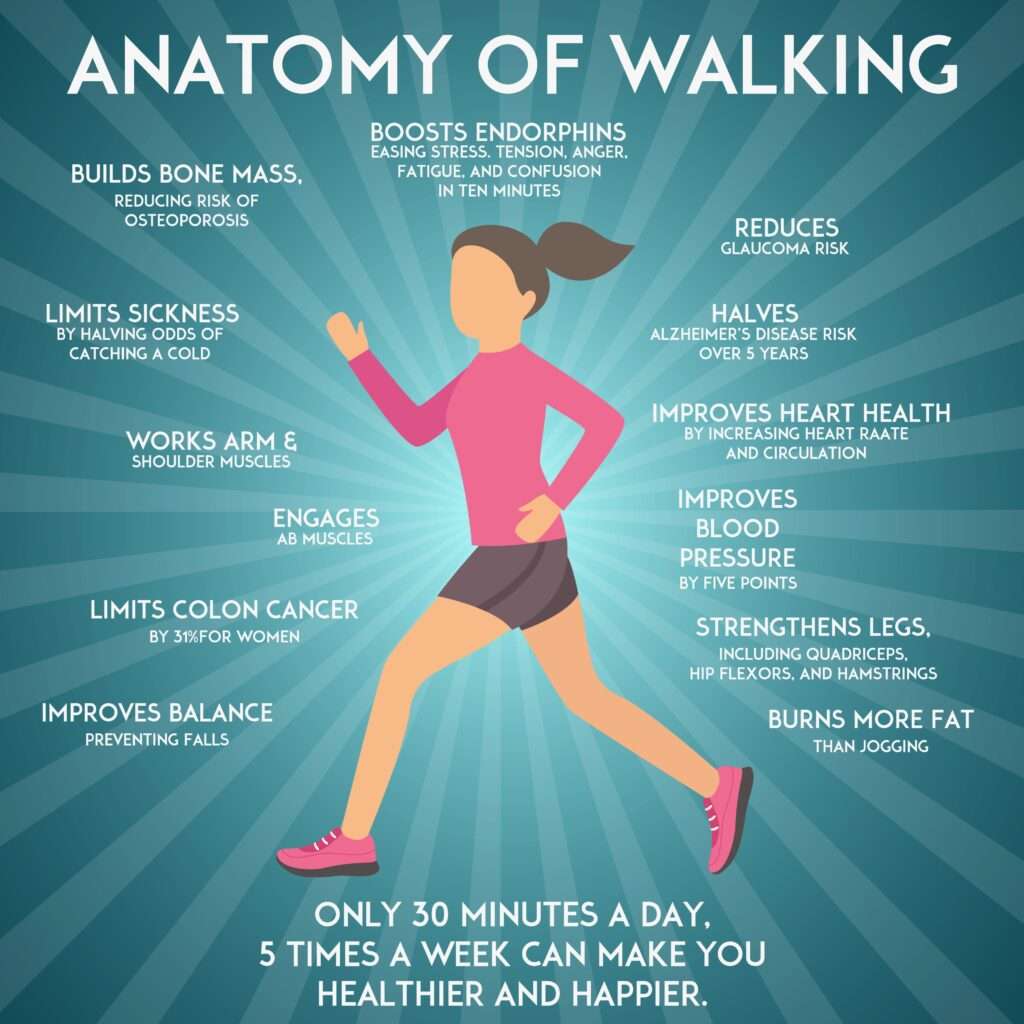
anatomy of walking


ActionWhy It Works (Wolf’s Law)
Walk, Jog, or Stand More:The simple act of carrying your body weight sends “build” signals to your skeleton. Avoid prolonged sitting or lying down!
Try a Weighted Vest:For an extra challenge, our physios love this tip! Wearing a vest that is 5-10% of your body weight simulates extra loading. This small addition can lead to significant bone density increases over a year.

2-Get Strong with Targeted Resistance Training

Your muscles are attached to your bones. When you lift weights or use resistance, your muscles pull on the bone, stimulating a powerful bone-building process. This is not just for bodybuilders it is crucial for bone health!

Focus on compound movements that engage the largest muscle groups.

ExerciseFocus Area
Bodyweight or Weighted SquatsHips, Spine, Legs (The biggest bones in your body!)
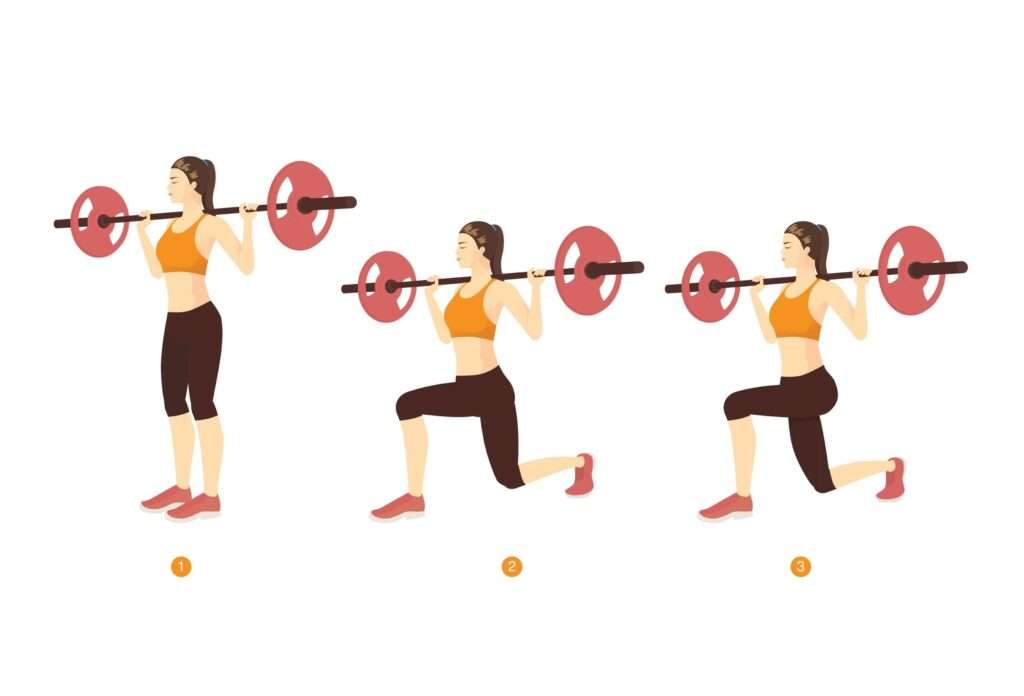
Weighted LungesHips and Lower Legs. Great for balance and single-leg loading.

Leg Press | Thigh and Hip Loading.  

Overhead Press | Shoulders and Upper Spine.

Rows (Bent-Over) | Back and Core. |


Physio’s Note: If you are new to strength training, please consult a professional at Suvidha Rehab to learn proper form. Technique is key to building bone safely and preventing injury.

3-Fuel Your Bones: The Diet Essentials

Your diet supplies the raw materials. Focus on these three core nutrients:

  1. Calcium: Aim for 1,000–1,500 mg daily. Get it from your diet first (low-fat dairy, almonds, green leafy vegetables).
  2. Vitamin D: Most people need supplements. Take your Vitamin D with a small amount of fat (like a few nuts) to boost absorption by up to 50%!
  3. Protein & Collagen: Bone is 95% protein (collagen) by volume. Ensure you meet your daily protein needs to give your body the building blocks it requires.

4-Stop the Loss: Lifestyle Non-Negotiables

Certain lifestyle factors actively resorb (break down) bone. Reduce or eliminate these to stop the bone density drain:

  • Quit Smoking: It causes chronic inflammation that damages bone cells.
  • Limit Alcohol: Heavy consumption lowers your estrogen and testosterone—both hormones vital for bone growth.
  • Watch the Caffeine Timing: If you have a meal rich in calcium, avoid drinking caffeinated beverages with it, as it can reduce the amount of calcium your body absorbs.

5-Talk to Your Doctor About Hormones

Hormones are powerful messengers for bone cells. A significant drop can trigger rapid bone loss.

  • For Women (Post-Menopause): Discussing Hormone Replacement Therapy (HRT) with your family doctor is essential. Estrogen loss in the first few years of menopause is the most aggressive time for bone loss.
  • For Men (Low T): If you are diagnosed with low testosterone, Testosterone Replacement Therapy (TRT) has been shown to increase bone density.

6-Medication: A Last Resort, A Real Help

For people with very low bone density (osteoporosis) or those who have already suffered a fracture, specialized medications like Bisphosphonates can play a critical role.

This is a step to take only after consulting a doctor or endocrinologist. They will determine if the benefits of fracture reduction outweigh the small, associated risks.

Important Tip from Suvidha Rehab: To stop fractures from happening, it’s important to make your body stronger. Start doing weight-bearing exercises and strength training today. If you need a special exercise plan just for you, contact our physiotherapists to help you get started safely!