Lorem ipsum dolor sit amet, consectet eiusmod tempor incididunt ut labore e rem ipsum dolor sit amet. sum dolor sit amet, consectet eiusmod.

Visiting Hours

Gallery Posts

Manual Therapy in Hyderabad | Expert Physiotherapy | Suvidha Hospital

Manual Therapy Techniques

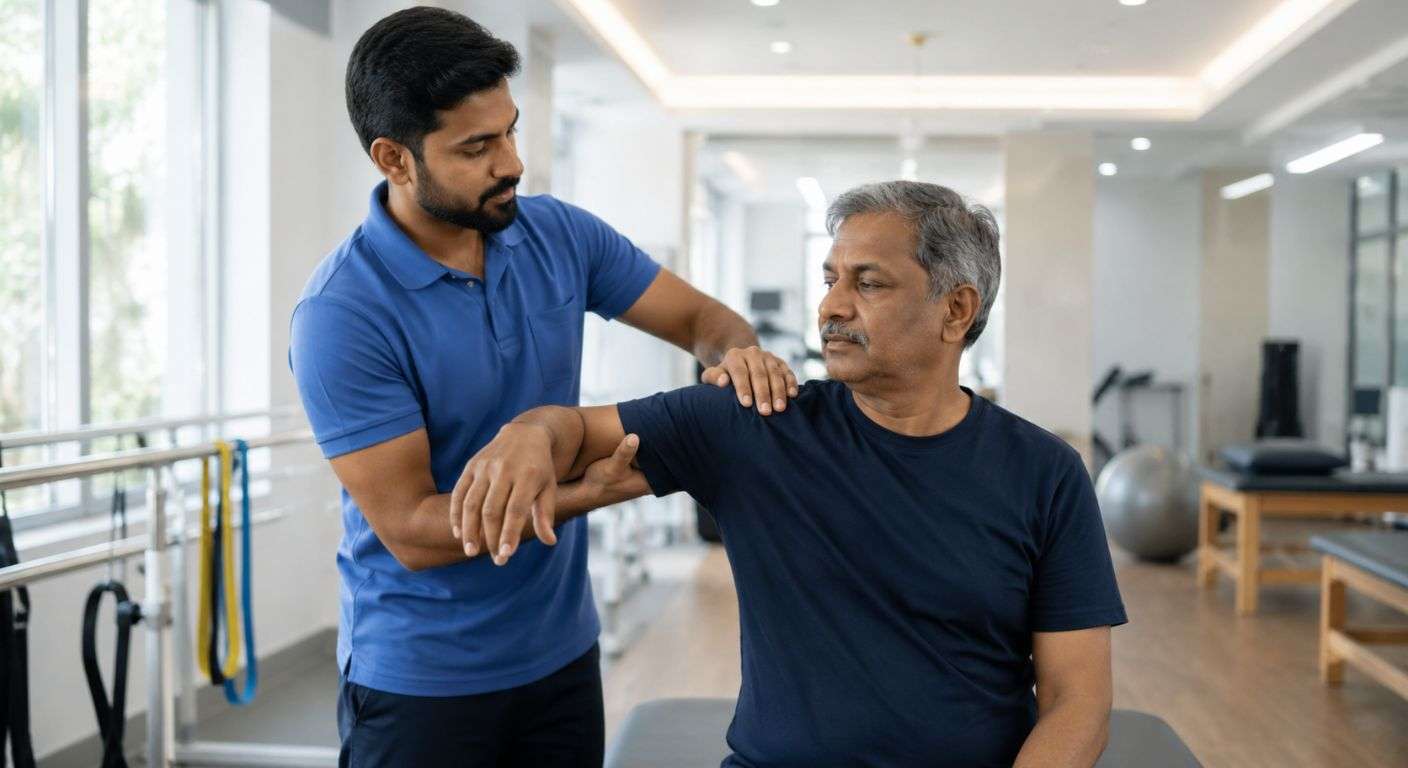
Manual therapy includes a range of specialized hands-on techniques performed by qualified physiotherapists to improve movement, reduce pain, and restore physical function. The choice of technique depends on the patient’s condition, symptoms, physical examination findings, and rehabilitation goals.
Rather than applying the same treatment to every patient, physiotherapists develop an individualized treatment plan after a comprehensive assessment. Manual therapy is typically combined with exercise therapy, movement retraining, and patient education to support long-term recovery.

Joint Mobilization

Joint mobilization involves slow, controlled movements applied to a joint within its normal range of motion. These movements are performed by a physiotherapist to help improve joint mobility, reduce stiffness, and facilitate comfortable movement.
Joint mobilization may be included in rehabilitation programs for people experiencing:
  • Joint stiffness
  • Neck pain
  • Low back pain
  • Shoulder conditions
  • Knee pain
  • Hip stiffness
  • Post-operative rehabilitation
The technique is selected based on clinical findings and patient tolerance.

Soft Tissue Mobilization

Soft tissue mobilization focuses on muscles, tendons, ligaments, and fascia. Physiotherapists use specific hand techniques to address areas of muscle tightness, restricted tissue mobility, and discomfort.
This technique may help improve tissue flexibility and prepare patients for therapeutic exercise and functional movement training.
Soft tissue mobilization is commonly used as part of rehabilitation for:
  • Muscle strains
  • Sports injuries
  • Neck pain
  • Shoulder pain
  • Back pain
  • Post-surgical rehabilitation

Manual Stretching

Manual stretching involves therapist-assisted stretching of muscles and surrounding soft tissues. It is used when flexibility is reduced or when a patient is unable to perform effective stretching independently.
Improving flexibility may contribute to better movement patterns and support overall rehabilitation goals.

Myofascial Techniques

The fascia is connective tissue that surrounds muscles and other structures throughout the body. Physiotherapists may use myofascial techniques to address areas of restricted soft tissue mobility where clinically appropriate.
These techniques are generally incorporated into a broader rehabilitation program rather than being used as a stand-alone treatment.

Neural Mobilization

Neural mobilization, sometimes referred to as nerve gliding, involves gentle movements designed to improve the mobility of certain peripheral nerves when clinically indicated.
This technique is only performed after a detailed assessment and is not appropriate for every patient. It is commonly integrated with exercise therapy and other rehabilitation interventions.

Passive Range-of-Motion Techniques

When active movement is limited because of pain, stiffness, or recovery after surgery, a physiotherapist may gently move the affected joint through its available range of motion.
Passive movement helps maintain joint mobility while preparing patients to gradually regain active movement through rehabilitation exercises.

Conditions Where Manual Therapy May Be Used

Manual therapy is not a cure for medical conditions. Instead, it is one component of a comprehensive physiotherapy program that may help improve movement, reduce pain, and enhance physical function for appropriately selected patients.
The decision to use manual therapy is based on an individual’s medical history, physical examination, diagnosis, and rehabilitation goals.

Manual Therapy for Back Pain

Back pain is one of the most common reasons people seek physiotherapy. Clinical practice guidelines recommend a combination of education, exercise, and selected manual therapy techniques for some individuals with low back pain.
Manual therapy may be used to:
  • Improve spinal mobility where appropriate
  • Reduce movement-related discomfort
  • Address muscle tightness
  • Support participation in an active rehabilitation program
Treatment is individualized and combined with exercises that improve strength, flexibility, and functional movement.

Manual Therapy for Neck Pain

Neck pain may result from prolonged sitting, poor posture, muscle strain, degenerative changes, or other musculoskeletal conditions.
Physiotherapists may incorporate manual therapy alongside strengthening exercises, posture correction, and movement retraining to improve neck mobility and function.
Patients may also receive guidance on workplace ergonomics and home exercises to help manage symptoms.

Manual Therapy for Shoulder Pain

Shoulder pain can affect daily activities such as reaching, lifting, dressing, and sleeping comfortably.
Depending on the underlying diagnosis, manual therapy may be combined with shoulder mobility exercises, strengthening programs, and functional rehabilitation to improve movement and support recovery.

Manual Therapy for Frozen Shoulder

Frozen shoulder (adhesive capsulitis) is characterized by pain and progressive loss of shoulder movement.
Current clinical guidance recommends physiotherapy interventions, including exercise therapy, with manual therapy considered as part of a comprehensive rehabilitation approach for selected patients.
The treatment plan is adjusted according to the stage of the condition and the individual’s symptoms.

Manual Therapy for Rotator Cuff Disorders

Rotator cuff disorders can cause pain during lifting, reaching, or overhead activities.
Manual therapy may be incorporated alongside progressive strengthening exercises, shoulder mobility training, and activity modification when clinically appropriate.
Exercise remains an essential part of rehabilitation.

Manual Therapy for Knee Pain

Manual therapy may be included in rehabilitation programs for people experiencing certain knee conditions when movement restrictions are identified during assessment.
Treatment often focuses on improving joint mobility while supporting muscle strength, balance, and functional activities such as walking, stair climbing, and sitting-to-standing movements.

Manual Therapy for Hip Pain

Hip pain can affect walking, standing, climbing stairs, and participation in physical activity.
A physiotherapist may include manual therapy alongside strengthening exercises, flexibility training, and movement education to improve overall hip function.

Manual Therapy for Arthritis

People living with osteoarthritis often experience joint pain, stiffness, and reduced mobility.
Current clinical guidelines emphasize exercise as the primary intervention. Manual therapy may be considered for selected individuals as part of a broader rehabilitation program that also includes strengthening exercises, physical activity, and self-management education.

Manual Therapy for Sports Injuries

Athletes and physically active individuals may benefit from manual therapy during rehabilitation after certain sports-related injuries.
Depending on the diagnosis, treatment may include:
  • Soft tissue mobilization
  • Joint mobilization
  • Movement retraining
  • Progressive strengthening
  • Return-to-sport exercises
The primary goal is to restore safe movement while supporting a gradual return to activity.

Manual Therapy After Surgery

Following orthopedic surgery, rehabilitation is often essential for restoring movement and physical function.
Subject to the surgeon’s recommendations and the stage of healing, physiotherapists may incorporate manual therapy with therapeutic exercises, gait training, and functional rehabilitation.
Treatment is always individualized based on the surgical procedure and recovery progress.

Manual Therapy vs Massage Therapy

Many people believe manual therapy and massage therapy are the same treatment. Although both involve hands-on techniques, they differ in their purpose, assessment process, and clinical application.

Manual Therapy
Massage Therapy
Performed by qualified physiotherapists as part of rehabilitationOften provided for relaxation or general muscle comfort
Based on a detailed physical assessmentMay not involve a comprehensive musculoskeletal assessment
Includes joint mobilization, soft tissue mobilization, stretching, and movement-based techniquesPrimarily focuses on soft tissue massage
Integrated with exercise therapy and rehabilitation goalsUsually focuses on muscle relaxation and well-being
Tailored to an individual’s diagnosis and functional limitationsTypically aimed at reducing muscle tension and promoting relaxation