Recovery After CABG Surgery | Cardiac Rehab Hyderabad
Undergoing Coronary Artery Bypass Grafting (CABG) is a major step toward restoring blood flow to the heart. While the surgery treats blocked coronary arteries, recovery after CABG surgery plays an equally important role in helping you regain strength, improve heart health, and return to daily activities safely.
Recovery is not just about healing the surgical wound. It also involves following your prescribed medications, gradually increasing physical activity, adopting heart-healthy lifestyle habits, attending follow-up appointments, and participating in a cardiac rehabilitation program, which is recommended for eligible patients after CABG
What Is CABG Surgery?
Coronary Artery Bypass Grafting (CABG), commonly known as heart bypass surgery, is performed to improve blood flow to the heart muscle by creating a new pathway around blocked or narrowed coronary arteries using healthy blood vessels taken from another part of the body. It is commonly recommended for people with significant coronary artery disease.
What to Expect Immediately After CABG Surgery
After surgery, most patients spend time in the intensive care unit (ICU) before moving to a regular hospital room. During this period, the healthcare team closely monitors heart function, breathing, blood pressure, and overall recovery.
As your condition improves, you will usually be encouraged to:
Sit up and move as advised
Practice deep breathing exercises
Walk short distances with assistance
Resume eating and drinking as directed
Early movement is an important part of recovery and helps reduce the risk of complications.
Recovery Timeline After CABG Surgery
Every person’s recovery is different. Your age, overall health, type of surgery, and any existing medical conditions can all influence the healing process.
First Week
During the first week, the focus is on:
Pain management
Wound care
Gentle walking
Deep breathing exercises
Rest and gradual movement
You may feel tired, and this is a normal part of recovery.
Weeks 2–6
During this stage, many patients gradually increase their daily activities under medical guidance.
Your healthcare provider may recommend:
Walking longer distances
Light household activities
Healthy eating
Medication adherence
Follow-up appointments
Recovery should always progress according to your doctor’s advice.
Weeks 6–12
Many patients continue to regain strength during this period. Depending on individual progress and medical advice, daily activities may gradually increase.
Participation in a supervised cardiac rehabilitation program often becomes an important part of recovery during this stage.
Long-Term Recovery
Recovery does not end after the incision heals. Long-term heart health depends on continuing healthy habits, including:
Taking prescribed medications
Regular exercise
Heart-healthy eating
Blood pressure management
Cholesterol control
Diabetes management (if applicable)
Regular follow-up with your cardiologist
These measures help support long-term cardiovascular health after CABG.
Why Cardiac Rehabilitation Is Important After CABG
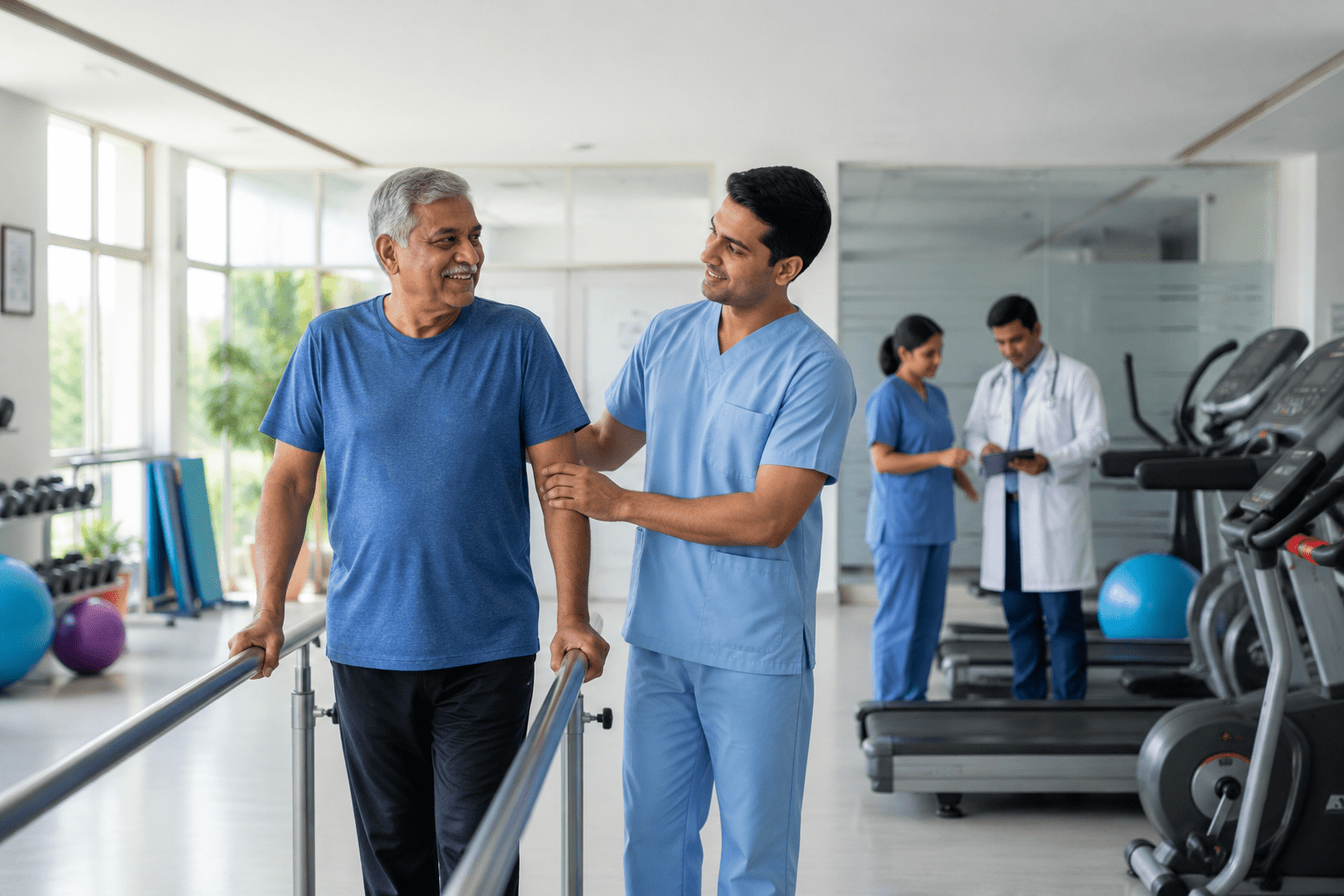
One of the most important parts of recovery after bypass surgery is cardiac rehabilitation.
According to the American College of Cardiology (ACC) and the American Heart Association (AHA), cardiac rehabilitation is recommended for eligible patients after CABG surgery.
A medically supervised cardiac rehabilitation program may include:
Personalized exercise training
Heart health education
Lifestyle modification guidance
Nutrition counselling
Emotional support
Monitoring during exercise
The goal is to help patients safely improve physical fitness, regain confidence, and adopt healthy habits that support long-term recovery.
Safe Exercises After CABG Surgery
Physical activity is an important part of recovery, but it should always follow your treating team’s recommendations.
Depending on your recovery stage, your healthcare provider may recommend:
Walking
Deep breathing exercises
Gentle stretching
Supervised aerobic exercise as part of cardiac rehabilitation
Avoid starting strenuous exercise without medical clearance.
Heart-Healthy Diet After CABG Surgery
Healthy eating supports recovery and helps reduce cardiovascular risk.
A balanced diet may include:
Fresh fruits
Vegetables
Whole grains
Lean protein sources
Healthy fats
Low-fat dairy products (when appropriate)
Your healthcare team may also advise limiting foods high in saturated fat, trans fat, sodium, and added sugars based on your individual health needs.
Lifestyle Changes That Support Recovery
CABG surgery improves blood flow, but maintaining heart health requires ongoing lifestyle changes.
These may include:
Taking medications exactly as prescribed
Avoiding tobacco products
Maintaining a healthy body weight
Managing blood pressure
Managing cholesterol
Controlling diabetes if present
Managing stress
Getting adequate sleep
These measures form an important part of secondary prevention after CABG surgery.
When Should You Contact Your Doctor?
Seek medical advice promptly if you notice symptoms such as:
Chest pain
Fever
Increasing redness, swelling, or drainage from the surgical wound
Shortness of breath
Rapid or irregular heartbeat
Swelling that worsens suddenly
Always follow the discharge instructions provided by your surgical team regarding when to seek urgent medical care.
Cardiac Rehabilitation at Suvidha Hospital
At Suvidha Hospital, our Cardiac Rehabilitation Program is designed to support patients recovering from CABG surgery and other heart conditions through a multidisciplinary approach.
Our program focuses on:
Individualized rehabilitation plans
Supervised exercise sessions
Functional recovery
Nutrition counselling
Lifestyle education
Ongoing progress monitoring
Every rehabilitation plan is personalized according to the patient’s medical condition, recovery goals, and treating physician’s recommendations.